

When a complex enterprise succeeds, praise flows easily from top to bottom. But when an initiative falters, the momentum often slows. We begin searching for where things went wrong – or worse, who to blame.
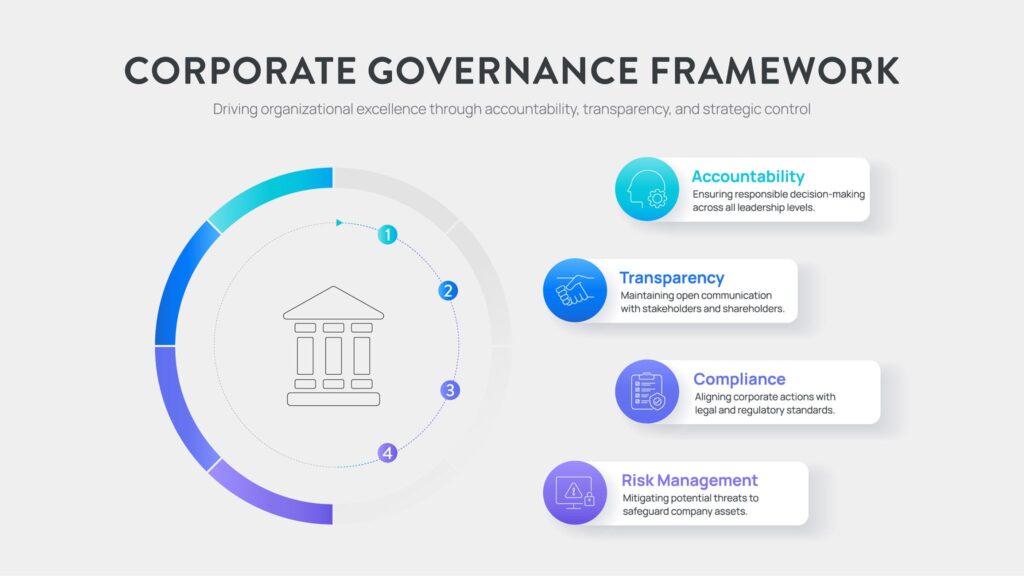
Whether running a multinational corporation or steering a public initiative, accountability isn’t just an administrative requirement; it’s the glue holding structured systems together. True accountability means those with the authority to make decisions also own the outcomes – both the triumphs and the setbacks.
The Rights of Every Participant
- Effort aligns with intent: Decisions made at the top directly shape day-to-day work on the ground.
- Risk is shared fairly: Frontline contributors aren’t scapegoated for broader structural flaws.
- Processes improve: Openly recognizing missteps allows teams to adjust rather than hide mistakes.
How Accountability Works in Business
Corporate structures are designed to cascade vision downward and send results upward. When working properly, each tier acts as both a guide and a check:
- Board of Directors: Answers to shareholders and stakeholders, setting governance standards and long-term strategy.
- Chief Executive Officer (CEO): Translates broad strategy into daily direction while remaining accountable to the board for performance and company culture.
- Managers: Bridge upper-management vision with front-line execution, ensuring teams have clear direction and the resources to deliver.
- Executives & Team Members: Execute key operations, relying on leadership to provide clear parameters, fair evaluation, and structural support.
If a strategic direction fails, the responsibility cannot fall solely on those executing the final tasks. It traces back up through management to the decision-makers who shaped the plan.
How Accountability Works in Public Governance
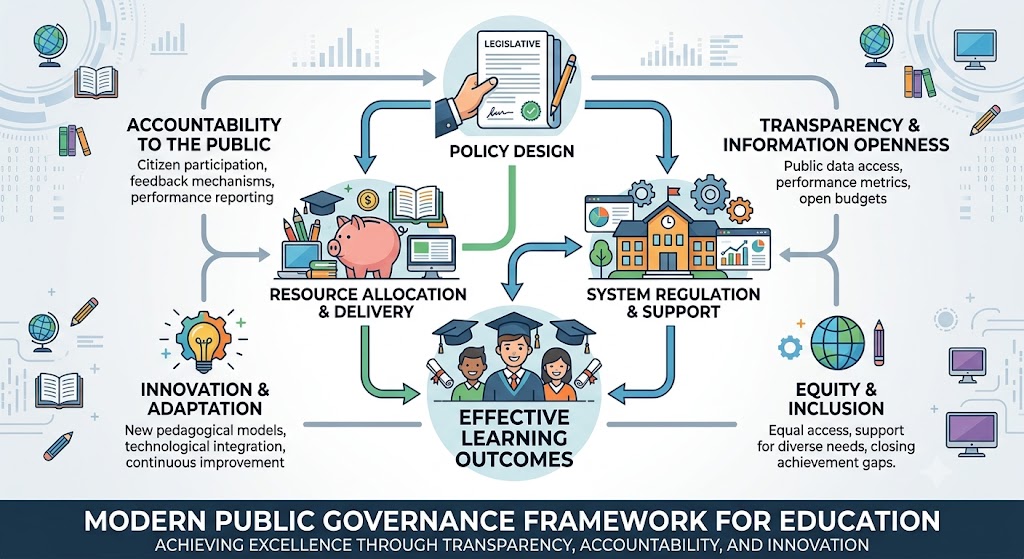
Public administration operates under a similar chain of responsibility, moving from high-level policy down to community delivery:
- Prime Minister & National Leadership: Sets overarching priorities and remains accountable to the public for national direction.
- Education Minister: Shapes policy, allocates funding, and designs reforms for the educational sector.
- Bureaucrats & Administrators: Translate legislative mandates into operational frameworks and school guidelines.
- Teachers: Carry out the daily work of instruction inside classrooms.
If a curriculum reform struggles or resources fail to reach classrooms, the primary responsibility shouldn’t rest on the teachers managing those challenges daily. True system integrity requires political leadership and administrative bodies to step up, take responsibility for policy design, and supply the necessary support to make things work.
When Accountability Fails: The Youth Mandate
The breakdown of systemic accountability is not merely an abstract policy failure; it carries immediate, real-world consequences for citizens. A poignant case in point unfolded on July 20, 2026, at Jantar Mantar, where tens of thousands of young citizens and Gen-Z students assembled in response to widespread examination leaks and administrative irregularities. When institutional channels refrained from holding top decision-makers—specifically Education Minister Dharmendra Pradhan—accountable for structural oversights that impacted millions of aspirants, the affected constituency organized in protest.
This mobilization highlights a fundamental shift in civil expectations: today’s youth increasingly reject the standard practice of deflecting fault onto lower-tier administrators or bureaucratic delays while shielding top leadership from scrutiny. When frontline stakeholders—in this case, students and educators—are left to bear the burden of high-level policy failures, the public social contract breaks down. The demonstrations in New Delhi serve as a clear reminder that within any governance framework, political authority divorced from genuine accountability will inevitably face resistance. True institutional resilience depends on leaders accepting full responsibility when the systems under their charge fail to deliver.
Building a Culture of Shared Ownership
Accountability isn’t about punishment – it’s about clarity and fairness. When leaders at every level own their decisions, it creates psychological safety across the entire organization or public body.
When participants know that leadership takes genuine ownership of outcomes, they engage with greater confidence, focus, and trust in the shared mission.
Leave a Reply